
Buying Tips for Specific Safes

Click to view safe buying tips for burglary safes
Click to view safe buying tips for fires safes
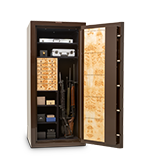
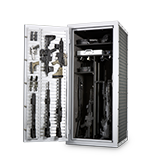
Click to view safe buying tips for gun safes
Click to view safe buying tips for jewelry safes
Click to view safe buying tips for estate safes
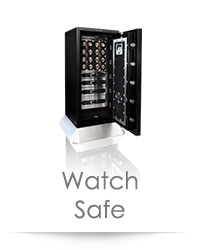
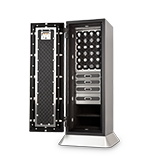
Click to view safe buying tips for watch safes
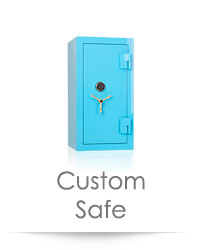
Click to view safe buying tips for custom safes
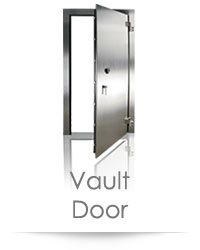
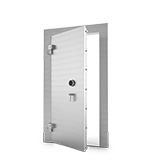
Click to view safe buying tips for vault doors

Burglary Safe Buying Tips

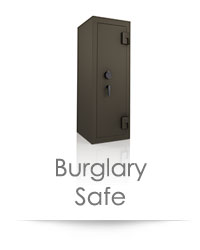
A burglary safe (also known as a strongbox, burglary chest, coffer, freestanding safe, or simply safe) is a freestanding safe that is bolted to the floor. Freestanding safes are the most popular type of safe sold as they are easy to install, can be placed in any location, are roomy, and come in a wide variety of sizes and configurations. A true burglary safe has steel walls thick enough to withstand prolonged attacks from both unskilled and skilled criminals.

View our lineup of high-security Burglary Safes

Pros

  • Easy to install.
  • Safe contents are very easy to access.
  • Can be placed in conveniently accessible locations.
  • When properly anchored, provides very good protection from attacks.

Cons

  • Harder to conceal than floor or wall safes.
  • Will not protect against fire unless fire protection is specifically stated.

Important Burglary Safe Buying Tips

A safe can do far more than simply protect your valuables. When properly configured, a safe provides a great opportunity to organize and optimize your life.

To fully capitalize on what your new safe offers, it’s essential to stop thinking of your future safe as the thing you will store your valuables in and instead treat the safe as a highly configurable personal organizer…that protects what’s in it.

A good safe can be equipped with file drawers, jewelry drawers, necklace racks, watch winders, DVD drawers, gun racks, photo drawers, equipment drawers…the list is very extensive.

Rather than having your precious items spread throughout your home and losing precious time tracking an item down whenever it goes missing, consolidate and organize. Take this opportunity to compile a list of the important items you commonly use and then consider how you want to organize these items in a way that works best for you. Now you can search out a quality safe that best accommodates your organizational plan.

All too often safes, go unused when they are located too far away to be conveniently accessed. Many times a new safe buyer will overthink the planned location for their safe, locating it in some cleverly concealed location or disguising the safe behind false doors or walls. While concealing your safe is fine, don’t do this at the cost of overall convenience or the safe will likely fall out of use over time. It’s far better to store your commonly used valuables in a not-so-hidden safe than to have these items left out for easy pilfering. Rather than out-thinking the burglar along with yourself, rely on the safe to perform its job of protection and place it in a location where it’s likely to get the most use. If your home is burglarized, a well-built burglary safe will faithfully protect your contents.

Safe Installation Tips

Always bolt your safe down. While you may think there’s no way anyone will manage to wrangle the safe out of your house when it takes specialized machines and muscle to perform the installation, never underestimate the resourcefulness of highly determined burglars.

Concrete provides the most secure anchor, so it is the preferred surface for mounting your safe. Remember though, an inaccessible safe receives rare use… so reconsider this if mounting the safe to concrete requires placing it far out of the way.

Always mount using 1/2″ concrete bolts or larger, and use more than one bolt. Four mounting bolts are ideal. When anchoring to a wood floor, whenever possible, anchor one or more bolts into a foundation support beam rather than just the plywood floor.

When possible, avoid anchoring the safe near a foundation wall in a way that creates an 8″ to 18″ gap between the wall and safe. Gaps smaller than 8″ are okay. With larger gaps, it is possible to leverage the safe away from the wall using a car jack, ripping the safe’s base anchor bolts out from the flooring.

Buying Tips for Specific Safes
Click to view safe buying tips for burglary safes
Click to view safe buying tips for fires safes
Click to view safe buying tips for gun safes
Click to view safe buying tips for jewelry safes
Click to view safe buying tips for estate safes
Click to view safe buying tips for watch safes
Click to view safe buying tips for custom safes
Click to view safe buying tips for vault doors